
Quick Answer
Mumbai real estate investment in 2026 splits cleanly by mandate. For income, buy Thane or Navi Mumbai at 4-5% gross yield. For capital growth, buy transit-linked corridors or premium South Mumbai at 10-14%. For land, look at Raigad and Panvel plots. Avoid the Rs 2-5 crore band, which carries 65,671 unsold units.
Most conversations about Mumbai real estate investment start in the wrong place. They start with “which project” when they should start with “which return”. A 2-2.5% yield from a Bandra sea-facing apartment and a 5-6% yield from a Kalyan two-bedroom are not competing options — they are answers to entirely different questions, and confusing them is the most expensive mistake we see investors make.
The 2026 numbers make the fork unusually stark. MMR capital values grew 4-7% on average. Premium South Mumbai grew 10-14%. Ulwe grew 22-25% on a one-off airport catalyst. Dombivli fell 4.95%. Meanwhile gross rental yields run from 2% in South Mumbai to 6% in the far periphery, almost perfectly inverse to appreciation. There is no MMR address that gives you both, and any pitch claiming otherwise deserves scepticism.
Our team’s approach is to settle three questions before looking at a single floor plan: what return do you need, over what horizon, and how much liquidity do you require at exit. Everything else follows from those answers.
Mumbai Real Estate Investment: Yield Versus Appreciation
This is the single most useful table for an MMR investor in 2026, because it exposes the trade-off that project marketing tends to blur.
| Segment | Entry (Rs/sq ft) | Gross Yield | 12-Month Appreciation | Exit Liquidity |
|---|---|---|---|---|
| Premium South Mumbai | 65,000 – 1,40,000 | 2.0 – 2.5% | +10 to +14% | Thin but deep-pocketed |
| Western suburbs (Kandivali, Goregaon) | 26,000 – 30,000 | 3.0 – 3.5% | +6 to +8% | Excellent |
| Eastern suburbs (Vikhroli, Chandivali) | 22,000 – 26,000 | 3.2 – 3.8% | +7 to +9% | Very good |
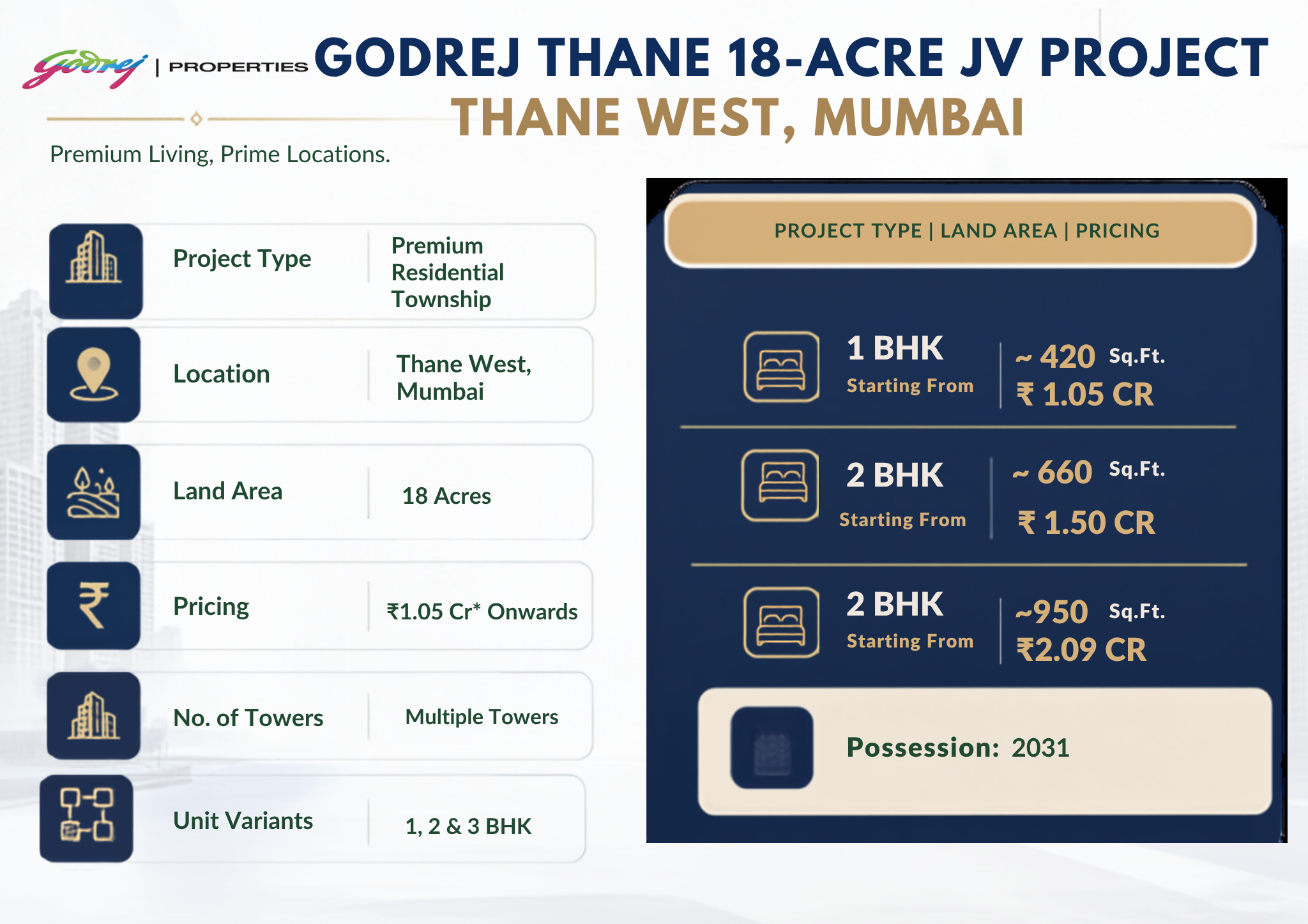
| Thane | 14,000 – 18,000 | 4.0 – 5.0% | +5 to +7% | Good |
| Navi Mumbai (Kharghar, Panvel) | 11,000 – 18,000 | 3.5 – 4.5% | +8 to +12% | Good |
| Far periphery (Kalyan, Badlapur) | 6,500 – 10,000 | 5.0 – 6.0% | -0.4 to +7.6% | Weak |
| Residential plots (Raigad, Panvel) | Land, not per-carpet | Nil | Land-linked | Weak but improving |
Notice that exit liquidity, the column investors ignore, moves independently of both other columns. The far periphery offers the best yield and the worst exit. Premium South Mumbai offers the worst yield and, paradoxically, reliable exits — because the buyer pool there is small but never disappears.
Where to Invest by Budget Band
Practical allocation matters more than theory. Here is how we would deploy across four common capital sizes in the current market, assuming a seven-year horizon.
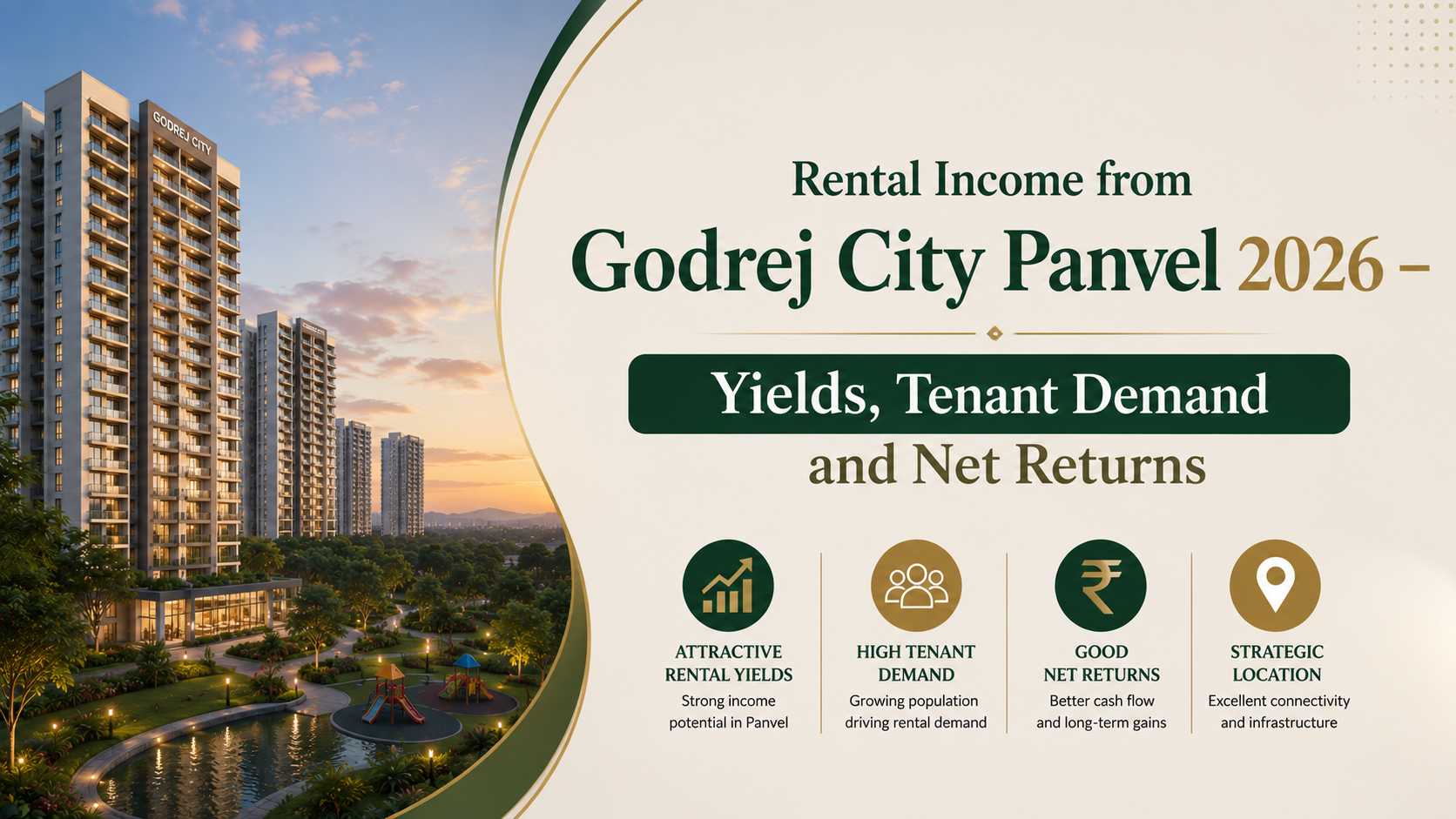
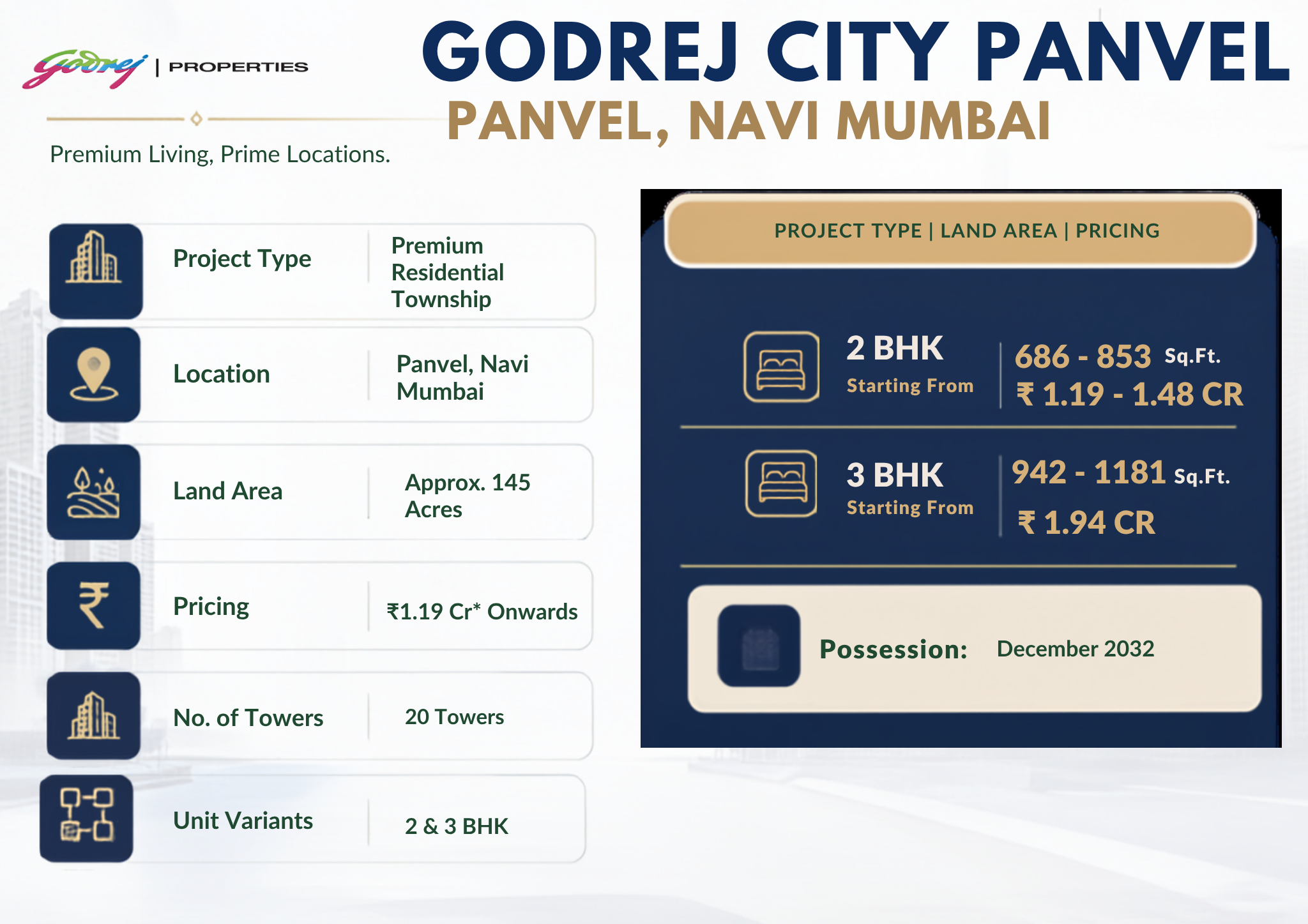
Under Rs 1 crore. This band is about yield and entry price, not appreciation. Panvel and Kharghar are the strongest options, with entry from around Rs 79 lakh in Panvel townships and 3.5-4.5% gross yields backed by genuine tenant demand from the airport and JNPT employment base. Kalyan East still trades at Rs 7,500-9,000 per sq ft with Metro Line 5’s Thane-Bhiwandi leg due by December 2026, which gives it a higher appreciation ceiling but a longer holding period. Our Panvel rental income analysis models the net numbers after maintenance and vacancy.
Rs 1 to 2 crore. The sweet spot for a balanced investor. Thane’s Kolshet and Ghodbunder corridors deliver 4-5% gross yields with a deep BFSI and IT tenant pool. Vikhroli East at roughly Rs 24,550 per sq ft gives you weaker yield but far better resale liquidity and Eastern Freeway access to BKC. Choose based on whether you need the rent or the exit.
Rs 2 to 5 crore. Tread carefully. This is the most oversupplied band in Indian residential real estate — unsold inventory jumped 43% to 65,671 units in the first half of 2026. That is excellent news if you are buying and terrible news if you are selling in five years into the same overhang. If you invest here, insist on a meaningful price negotiation and buy only where supply is structurally constrained, such as established western-suburb redevelopment.
Above Rs 10 crore. The mandate changes from return to capital preservation and scarcity. Premium South Mumbai appreciated 10-14% on almost no new supply. Godrej Trilogy at Worli, from about Rs 13.88 crore for sea-facing 3 and 4 BHK residences, and Godrej Bandra Reclamation, from about Rs 19.5 crore, are the two reference assets in this band. Underwrite them at 2-2.5% yield and treat the return as appreciation plus scarcity value.
The number that governs everything
Round-trip transaction costs in Mumbai run 7-8% on entry (stamp duty 6%, or 5% for women buyers, plus registration, GST and legal) and 2-3% on exit. Against 4-7% annual appreciation, your break-even hold is roughly four to five years before you have made a rupee. Every investment case below assumes at least seven.
Apartments or Land? The Asset-Class Question
Plotted development has become a serious alternative for MMR investors over the past three years, and it behaves quite differently from apartments.
Land generates no rent, so your entire return is appreciation. In exchange you avoid depreciation of the built structure, avoid society maintenance, avoid tenant management, and — critically in the current market — avoid competing with 65,671 unsold apartments at resale. The Raigad and Panvel plot belts have benefited directly from the Atal Setu and the Mumbai-Pune corridor.
The trade-offs are real. Plot liquidity is thinner, title verification is more demanding, and you need holding power because there is no cash flow to service a loan. We generally suggest plots as a complement to a yielding apartment rather than a first investment.
Godrej’s plotted inventory in this belt includes Godrej Golf Side Estate at Panvel, with villa plots from around Rs 59.90 lakh, and Godrej Hillview Estate at Khanav, Raigad, from about Rs 74.99 lakh across an 82-acre layout. Our villa plots versus apartments comparison runs the maths on both.
Red Flags in the 2026 Investment Market
We turn down more deals than we recommend. These are the patterns that cause it.
- Appreciation pitched off a one-time catalyst. Ulwe’s 22-25% gain reflects the airport going from announced to operational in December 2025. That gap closes once. Anyone extrapolating it into year three is selling you arithmetic that does not exist.
- Gross yield quoted as if it were net. Subtract society maintenance, property tax, 5-8% vacancy and letting commission. A 4.5% gross typically lands near 3.2% net.
- Guaranteed rental or assured-return schemes. The guarantee is usually funded out of an inflated purchase price. Check the per-square-foot rate against registered transactions in the same building.
- Possession dates four-plus years out with no delivery record. Compare the MahaRERA-registered completion date against the developer’s last three projects and their original commitments.
- Infrastructure that is proposed rather than funded. The airport is live. The Atal Setu is carrying traffic. The NAINA metro is proposed. Price them very differently.
- Corridors where supply arrived before demand. Dombivli fell 4.95% and Bhiwandi 1.54% precisely because launches outran connectivity.
A 6-Step Investment Process
Run this in order. Steps one through three should be settled before you visit a single site.
- Define the mandate. Income, growth, or capital preservation. Write down the target number and the horizon. This alone eliminates two-thirds of the market.
- Set the all-in budget. Purchase price plus 7-8% entry costs. If you are leveraging, stress-test the EMI at 9.5% rather than the current 8.5%.
- Shortlist two micro-markets using the yield-versus-appreciation table. Never more than two — diligence quality collapses beyond that.
- Verify on MahaRERA and IGR. Registration number, quarterly progress report, declared completion date, and registered transaction rates in the same building or project.
- Model net yield and exit. Deduct maintenance, tax and vacancy from gross rent. Identify who your buyer is in year seven and check that such buyers exist there today.
- Negotiate price, then structure. A 4-6% reduction is realistic in oversupplied bands. Construction-linked payment beats subvention in almost every scenario.
Why the Godrej Portfolio Recurs Across These Bands
Godrej Properties Limited is a third-party developer and we are an independent research resource covering its MMR projects. Its portfolio is useful to an investor for a structural reason: it spans nearly every budget band above at broadly comparable specification, which makes like-for-like comparison across micro-markets possible in a way single-segment builders do not allow.
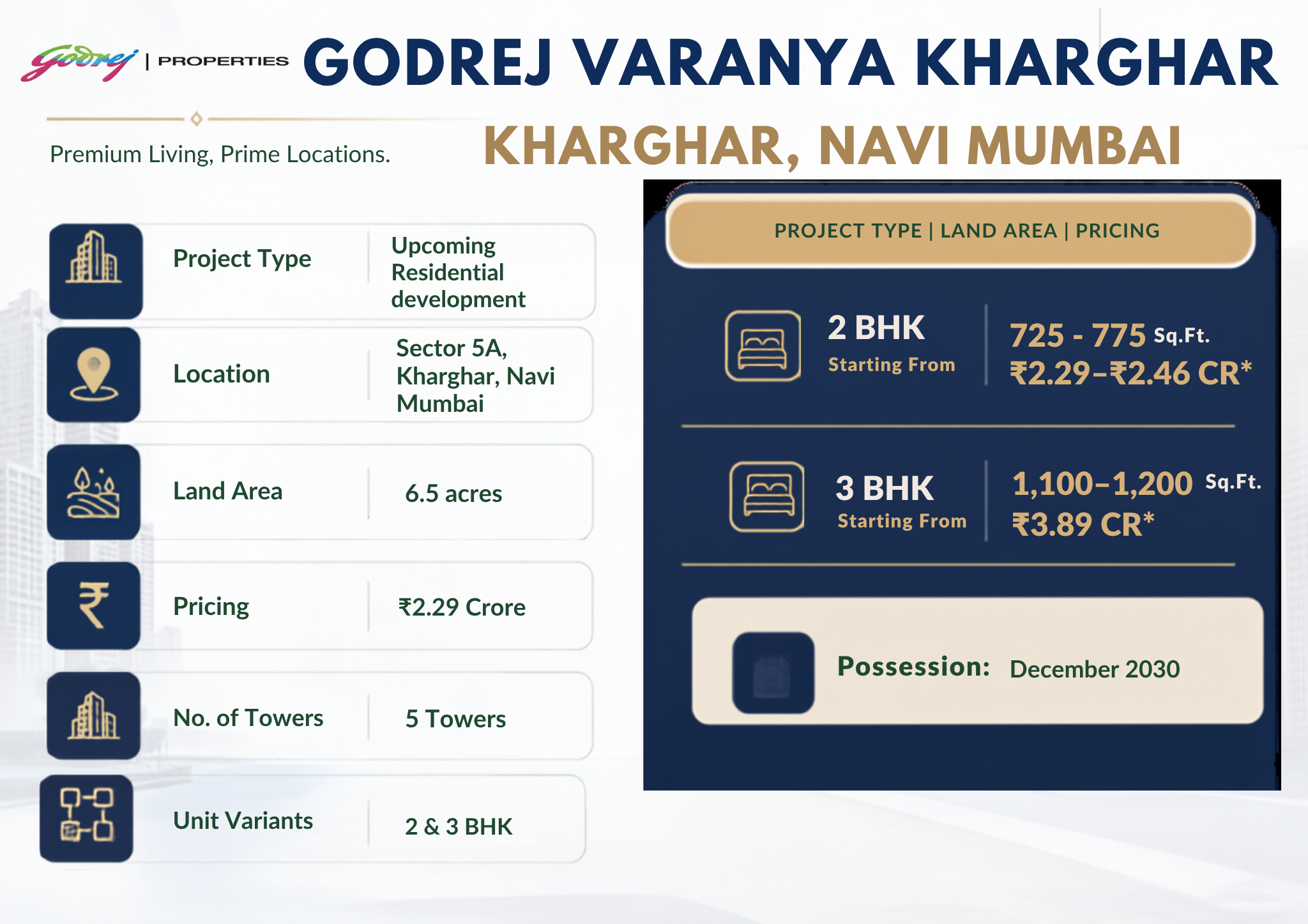
For yield mandates, Godrej City Panvel from around Rs 79 lakh and Godrej Ascend on Kolshet Road from around Rs 99 lakh sit in the 4-5% gross band. For growth with liquidity, Godrej The Trees in Vikhroli East from about Rs 1.85 crore and Godrej Horizon at Wadala from about Rs 3.37 crore cover the mid-premium suburbs. For land, Golf Side Estate and Hillview Estate cover Panvel and Raigad. At the top, Trilogy and Bandra Reclamation serve the capital-preservation mandate. The developer’s own disclosures are available at Godrej Properties Limited.
Frequently Asked Questions
Q: What return should I expect from Mumbai real estate investment in 2026?
A realistic total return is 7-10% annually on a seven-year hold: 4-7% capital appreciation plus 3-4% gross yield in Thane or Navi Mumbai, less costs. Premium South Mumbai skews the other way, at 10-14% appreciation on a 2-2.5% yield.
Q: Which gives better returns in Mumbai, rental income or capital appreciation?
Capital appreciation, in almost every MMR segment. Gross yields of 2-3.5% in the suburbs barely cover maintenance and tax after vacancy. Yield becomes the primary driver only in Thane, Navi Mumbai and the periphery, where it reaches 4-6%.
Q: Is the Rs 2-5 crore segment a bad investment right now?
It is the best segment to buy in and the hardest to sell in. Unsold inventory there rose 43% to 65,671 units in H1 2026. That gives you unusual negotiating power today, but you will face the same overhang at exit unless you buy where supply is structurally constrained.
Q: How much capital do I need to start investing in Mumbai property?
About Rs 25-30 lakh of own funds. Entry-level MMR inventory starts near Rs 79 lakh in Panvel, and you need roughly 20% down plus 7-8% in stamp duty, registration and legal costs on top.
Q: Are residential plots a better investment than apartments in MMR?
They serve different purposes. Plots avoid structural depreciation, maintenance and competition from unsold apartment stock, but generate no rent and have thinner liquidity. They suit investors with holding power and no need for cash flow, ideally as a complement to a yielding apartment.
Q: What taxes apply to property investment gains in India?
Rental income is taxed at your slab rate after a 30% standard deduction and municipal taxes. Gains on a property held over 24 months qualify as long-term capital gains, with exemptions available under Sections 54 and 54EC. Take professional advice before structuring an exit — the rules change frequently.
Q: Is it too late to invest near the Navi Mumbai airport?
For the first wave, largely yes. Panvel values rose about 74% between FY21 and FY25 and Ulwe is up 22-25% year-on-year, most of it front-run before the December 2025 commercial launch. A slower second wave tied to Metro Line 8 and NAINA development remains, but those are proposed rather than built.
Our Verdict
Mumbai real estate investment in 2026 is a decision about mandate, not about geography. Investors who decide up front whether they need income, growth or preservation end up with two or three genuinely comparable options and a clean choice. Investors who start from a project brochure end up owning whatever was being marketed hardest that quarter.
If you are deploying capital this year, our practical advice is unglamorous: pick the mandate, set a seven-year horizon, model net yield rather than gross, and buy where the infrastructure is already carrying traffic. Our team can share current pricing, availability and net-yield workings across the Godrej MMR portfolio and arrange site visits in the two micro-markets that fit your brief.