Quick Answer
Pre-EMI means paying only interest on the loan amount released so far while your flat is being built. Full EMI means paying principal and interest from the first disbursement. On a Rs 1.5 crore Mumbai loan over a 3-year build at 8%, full EMI saves roughly Rs 5.6 lakh to Rs 32 lakh in interest, depending on how you set the tenure. Pre-EMI suits buyers who are also paying rent.
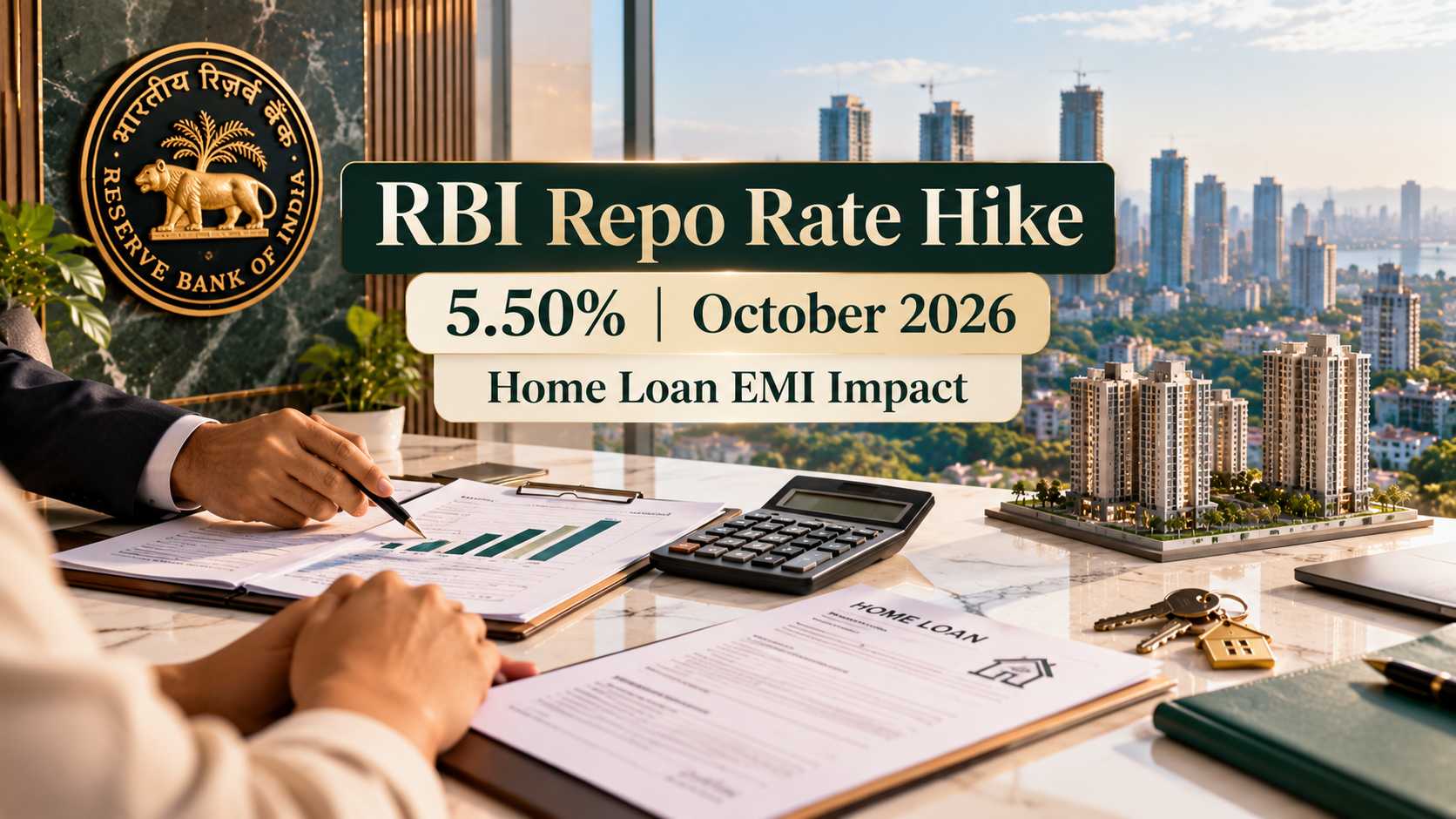
Pre EMI vs full EMI is the first real decision a Mumbai buyer faces after booking an under-construction flat. In 2026 it matters more than usual. The RBI raised the repo rate to 5.50% on 7 October 2026, and lenders such as Punjab National Bank and Bank of Baroda moved their repo-linked home loan rates above 8% within days. Many of the larger projects in Kandivali East, Thane and Navi Mumbai now show possession dates in 2029 or 2030, so buyers face three to four years of payments before they get the keys.
During those years the bank pays the developer in stages, and you choose how to service the part already released. The difference in total interest can run into lakhs, and the tax treatment of interest paid before possession is less generous than most buyers assume.
We at Godrej Properties MMR have worked through a Rs 1.5 crore loan on a 3-year construction schedule to show the cost of each option in rupees, how the tax deduction for pre-construction interest really works, and which buyers should pick which route.
Pre EMI vs Full EMI: How Construction-Linked Disbursement Works
When you buy an under-construction flat on a construction-linked plan, the developer raises a demand at each milestone: booking, plinth, each group of slabs, finishing work, and possession. You pay your own contribution first, usually 10% to 20% of the price. After that, the bank pays the developer directly against each demand. Your loan grows step by step until it reaches the sanctioned amount around possession.
This stage-by-stage release is not just bank practice. On 20 November 2025, the National Housing Bank issued a circular to all housing finance companies, after a Karnataka High Court order and a Finance Ministry advisory on subvention schemes, directing that loan disbursement must be strictly linked to construction stages. Upfront disbursal for incomplete or greenfield projects is not allowed. That rule restates a 2019 NHB direction and protects buyers from paying interest on money the developer has not yet earned.
Interest is charged only on the amount actually disbursed. So your monthly outgo depends on two things: how much has been released, and which repayment option you chose.
- Pre-EMI: you pay interest only on the disbursed amount. Principal stays untouched. The payment rises with each tranche. Your regular EMI and tenure start only after the final disbursement, usually at possession.
- Full EMI: you pay a regular EMI of principal plus interest on the disbursed amount from the first tranche. The bank recalculates the EMI as each tranche is released. Your tenure clock starts on day one.
- Developer-funded interest plans: some developers pay the interest on the disbursed loan for a fixed period. These are developer-specific, and the NHB has repeatedly warned lenders about subvention-linked structures, so read the tripartite agreement carefully.
Most lenders let you switch from pre-EMI to full EMI during construction on request [VERIFY: switching charges, if any, vary by lender]. You are not locked in on the day you sign the sanction letter.
Worked Example: Rs 1.5 Crore Loan Over a 3-Year Build
To compare the two options fairly, we used a single schedule. The buyer takes a Rs 1.5 crore loan at 8% a year, a realistic planning rate after the October 2026 hike. The bank releases Rs 30 lakh at the first demand, Rs 22.5 lakh every six months for the next two years, and Rs 15 lakh at months 30 and 36. That fits a 2 BHK in a large Kandivali East project such as Godrej Reserve Kandivali East, where MahaRERA possession is shown as June 2030.
Under pre-EMI, the first monthly payment is about Rs 20,000, interest on Rs 30 lakh. By the third year, with Rs 1.35 crore released, it reaches about Rs 90,000. Under full EMI with a 20-year tenure that starts at the first disbursement, the EMI begins near Rs 25,100 and steps up with each tranche to about Rs 1,29,200 at possession.
| Measure (Rs 1.5 Cr at 8%) | Pre-EMI, then 20-year EMI | Pre-EMI, then 17-year EMI | Full EMI from day one (20 years) |
|---|---|---|---|
| Paid during 3-year build | Rs 20.4 lakh (all interest) | Rs 20.4 lakh (all interest) | Rs 26.0 lakh (about Rs 6.1 lakh is principal) |
| Loan outstanding at possession | Rs 1.50 crore | Rs 1.50 crore | Rs 1.44 crore |
| EMI after possession | Rs 1,25,466 | Rs 1,34,739 | Rs 1,29,239 |
| Loan closes | 23 years after first tranche | 20 years after first tranche | 20 years after first tranche |
| Total interest paid | Rs 1.72 crore | Rs 1.45 crore | Rs 1.40 crore |
The headline gap between the first and last columns is about Rs 32 lakh, but most of it comes from the pre-EMI loan simply running three years longer. The fairer test is the middle column, where the loan closes on the same date. Even then, full EMI saves about Rs 5.6 lakh in interest, because the early principal payments reduce the balance on which interest is charged for the next 17 years.
Pre-EMI is not cheaper money. It is the same loan with repayment of principal postponed. Every month of postponement is a month of interest on the full released balance.
Rates in your sanction letter will differ from our 8% assumption, and a further rate move would change every figure here. Our analysis of the RBI repo rate hike of October 2026 and its EMI impact covers how quickly banks pass increases through.
Tax Treatment of Pre-Construction Interest
Interest paid before possession is called pre-construction interest. It is not deductible in the year you pay it. Under the rule long known as Section 24(b), you claim it in five equal instalments, starting from the financial year in which construction is completed or you take possession. The Income-tax Act, 2025, which replaced the 1961 Act from 1 April 2026, carries a corresponding provision [VERIFY: confirm section number under the 2025 Act; sources cite sections 22 and 130/131].
The catch is the cap. For a self-occupied flat, the Rs 2 lakh yearly limit covers current-year interest and the pre-construction instalment together, not separately. In our example, pre-EMI interest of Rs 20.4 lakh gives an instalment of about Rs 4.08 lakh a year for five years. But first-year interest on the full Rs 1.5 crore loan is about Rs 11.9 lakh on its own. The cap is used up several times over, and the pre-construction instalment adds nothing.
Our verdict on tax: On a Mumbai-sized loan for a home you will live in, do not choose pre-EMI expecting a tax benefit later. Under the old regime, the Rs 2 lakh cap is already full from regular interest. Under the new regime, which is the default, interest on a self-occupied home is not deductible at all.
Three situations change the picture. If the flat will be let out, interest is deductible against rent without the Rs 2 lakh cap, and the pre-construction instalments do count, though loss set-off against salary is limited. If you hold the flat jointly with a co-borrower spouse, each co-owner gets a separate Rs 2 lakh limit under the old regime. And if construction is not completed within five years from the end of the financial year in which the loan was taken, the self-occupied limit drops to Rs 30,000. With possession dates in 2029 and 2030, that last rule deserves a close look at your loan date.
Our guide to home loan tax benefits in 2026 under the old vs new tax regime covers the regime choice in full.
When Each Option Makes Sense
The choice comes down to cash flow during construction and how sure you are about the possession date.
Pre-EMI makes sense when you are paying rent while the flat is being built. A family renting a 2 BHK in Kandivali or Thane pays a large monthly rent on top of the loan, and full EMI on top of that can stretch the budget past what banks consider safe. It also suits buyers who expect a lump sum before possession, such as a bonus or the sale of an existing flat, and plan to prepay it.
Full EMI makes sense when you already own the home you live in, or live with family, so there is no rent. It also suits salaried buyers in their late 30s or 40s, for whom a tenure that starts three years late may run past retirement age. Banks often cap tenure by age, so pre-EMI years can shrink the tenure available after possession and push the EMI up anyway.
| Your situation | Better fit | Why |
|---|---|---|
| Renting during construction | Pre-EMI | Avoids paying rent plus a full EMI |
| Living in own or family home | Full EMI | Saves interest, closes loan earlier |
| Borrower aged 40+ | Full EMI | Tenure starts now, not after possession |
| Lump sum expected before possession | Pre-EMI, then prepay | Keeps cash flexible for the prepayment |
| Possession date uncertain | Full EMI | Delay adds no extra interest-only months |
The last row is easy to overlook. If possession slips by a year under pre-EMI, you pay another 12 months of interest only, with no reduction in principal. Under full EMI, the same delay still pays down the loan.
Checklist Before You Choose a Repayment Option
Work through these points before the first disbursement, using the sanction letter and the tripartite agreement.
- Check the MahaRERA possession date, not the marketing date. Plan your pre-EMI cash flow on the later of the two.
- Get the payment schedule in writing. Map each construction milestone to a disbursement amount so you can forecast every pre-EMI step.
- Confirm the tenure start date. Ask whether the tenure counts from the first disbursement or from the start of full EMI.
- Ask about switching. Confirm in writing that you can move from pre-EMI to full EMI mid-construction, and at what cost.
- Check the age limit on tenure. Work out how many years remain after possession at your current age.
- Collect an interest certificate every year. It should show pre-construction interest separately. You need these to claim the five instalments later.
- Read any developer-funded interest clause. Know exactly when the developer’s payments stop and yours start, and what happens if possession is late.
What This Means for Godrej Buyers in MMR
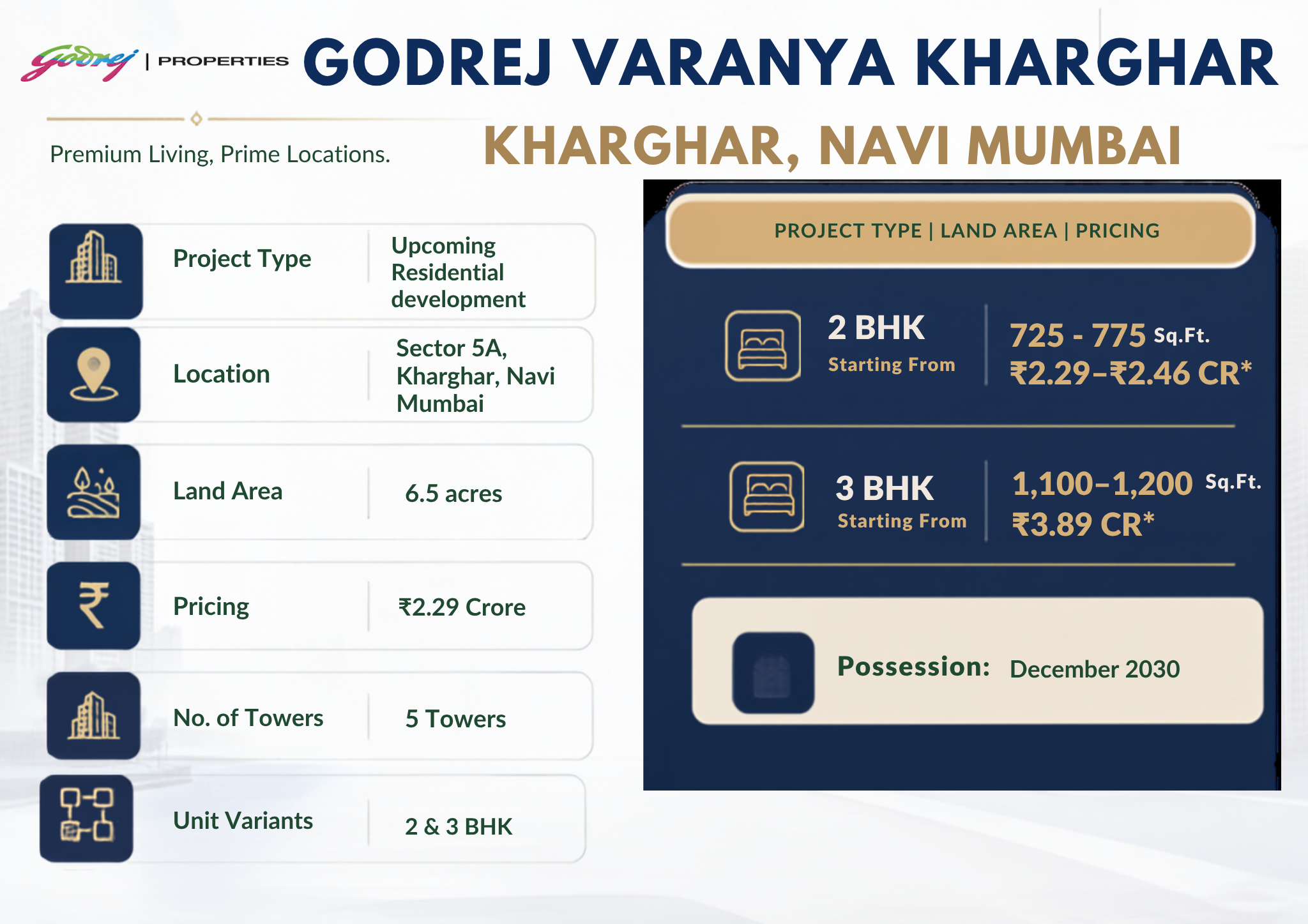
Godrej Properties Limited, a third-party developer with several under-construction projects across MMR, has some of the longest construction timelines in the Kandivali East market. That makes the pre EMI vs full EMI decision a large part of the real cost for buyers there. Godrej Bliss Kandivali East starts near Rs 98 lakh with possession in November 2029, so a buyer booking today faces about three years of disbursements. At Godrej Reserve nearby, larger 2 BHK and 3 BHK tickets mean the pre-EMI in the final year can approach the size of a full EMI anyway.
With Kandivali East averaging about Rs 30,950 per sq ft in September 2026, a Rs 1.5 crore loan is common. For project background, see the developer’s site, Godrej Properties Limited. We at Godrej Properties MMR map the payment schedule against your loan for every project we recommend.
Frequently Asked Questions
Q: What is the difference between pre-EMI and full EMI?
Pre-EMI is interest-only on the amount the bank has released during construction. Full EMI includes both principal and interest from the first disbursement. Pre-EMI keeps payments lower during construction, but your principal stays untouched and the regular loan tenure begins only after the final disbursement, usually at possession.
Q: Is pre-EMI or full EMI better for an under-construction flat in Mumbai?
Full EMI is cheaper overall. In our Rs 1.5 crore example at 8%, it saves about Rs 5.6 lakh even when both loans close on the same date. Pre-EMI is better only when you are paying rent during construction or expect a lump sum to prepay before possession.
Q: Can I claim tax deduction on pre-EMI interest?
Yes, but only from the year of possession, in five equal yearly instalments, and only under the old tax regime for a self-occupied home. The instalment shares the Rs 2 lakh yearly cap with regular interest. On large Mumbai loans, regular interest alone usually fills that cap.
Q: Can I switch from pre-EMI to full EMI during construction?
Most lenders allow it on request. Switching early reduces total interest because you start repaying principal sooner. Check your sanction letter or ask the branch about any processing charge, and get the new schedule in writing.
Q: What happens to pre-EMI if possession is delayed?
You keep paying interest-only on the released amount for every extra month, with no reduction in principal. Under MahaRERA, a delayed project may owe you interest for the delay period, but that is a separate claim against the developer, not a change to your loan.
Conclusion
The pre EMI vs full EMI choice is a cash-flow decision first and a cost decision second. Full EMI wins on total interest in almost every case, and the tax benefit of pre-construction interest is small on a Mumbai-sized loan. Pre-EMI earns its place when you are paying rent during the build or plan a large prepayment before possession.
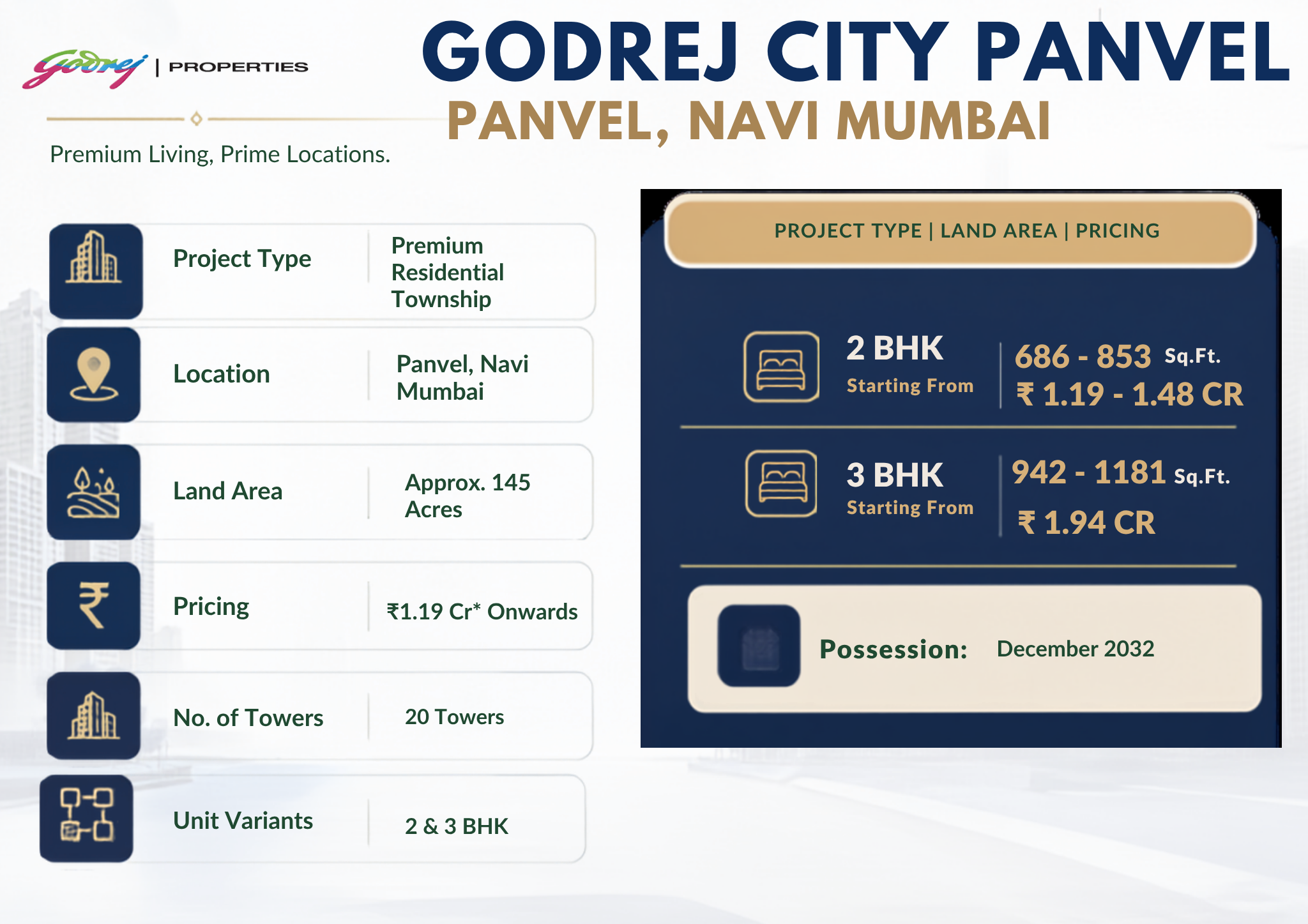
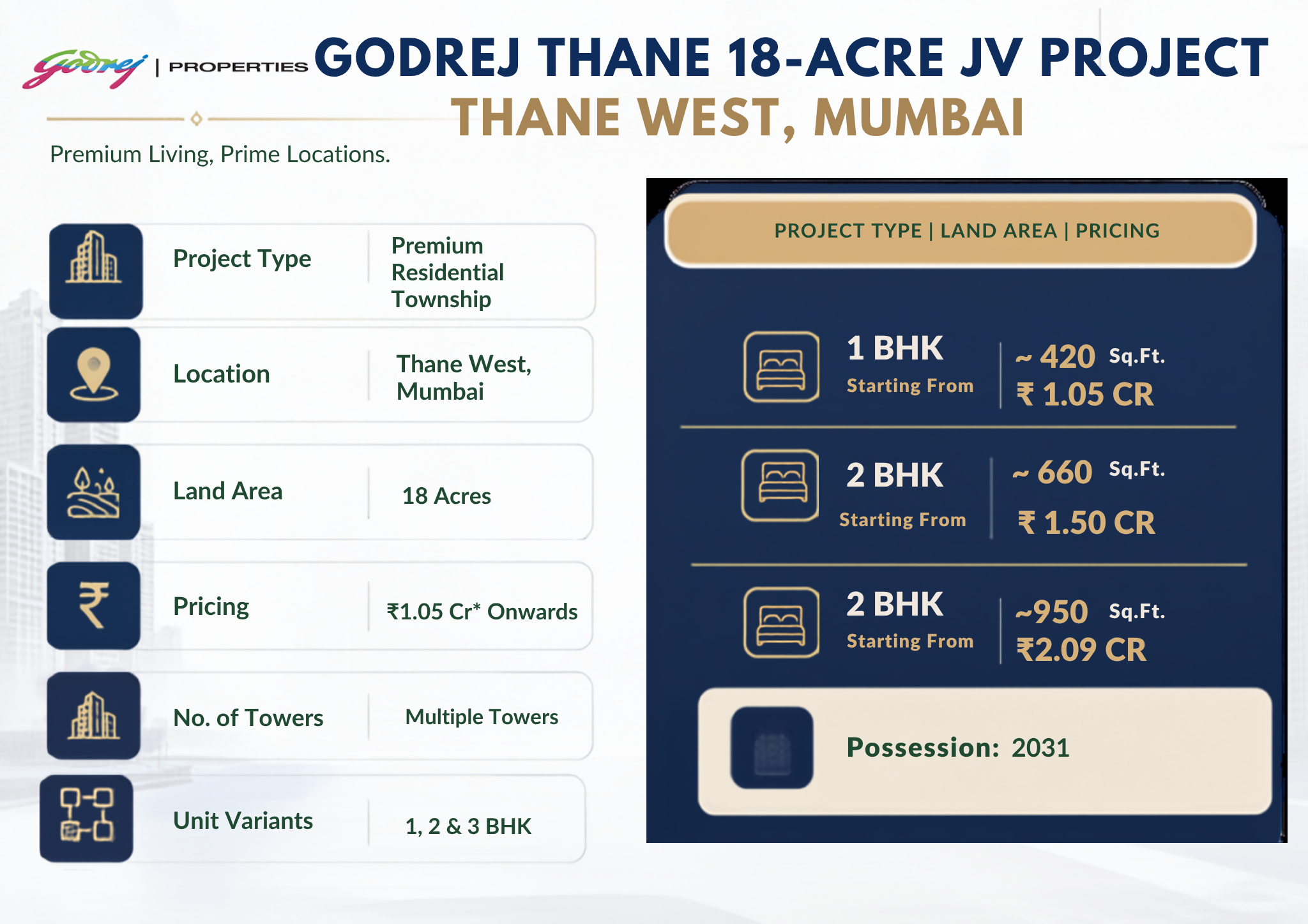
If you are weighing an under-construction home in Kandivali East, Thane or Navi Mumbai, we can lay out the full disbursement schedule and both repayment options for the exact unit you are considering. Book a site visit with our team, or browse our current under-construction listings to start comparing.