
Quick Answer
Related Godrej projects nearby:
Godrej Bandra Reclamation — Sea-Facing 4 BHK, Mumbai →Godrej Trilogy – Worli, Mumbai →Godrej Horizon – Wadala Mumbai →
In 2026, home loan tax benefits on a self-occupied flat are available only under the old tax regime: up to Rs 2 lakh of interest and Rs 1.5 lakh of principal a year. The new regime allows interest only on a let-out flat. For most single salaried Mumbai borrowers, the new regime still works out cheaper unless total deductions cross about Rs 8 lakh.
Home loan tax benefits used to be the easy part of buying a flat in Mumbai. You took the loan, claimed the interest and principal, and saved tax every year. In 2026 the choice is harder. The new tax regime is now the default, it pays zero tax up to Rs 12 lakh of income, and it does not allow the two deductions most home buyers rely on. On 7 October 2026 the RBI also raised the repo rate to 5.50%, so the interest you pay, and could deduct, has gone up.
The rules have also moved to a new law. The Income-tax Act, 2025 replaced the 1961 Act from 1 April 2026. The Income Tax Department’s own section pages now list the deduction for interest on a residential house loan under sections 130 and 131, and Business Standard reports that the old 80C deductions sit under section 123. The limits and conditions are broadly unchanged. Your Form 16 and your CA will simply quote new section numbers.
We at Godrej Properties MMR have run the numbers on a typical Mumbai loan of Rs 1.2 crore to show what each regime is actually worth, who should still choose the old regime, and how joint loans, under-construction flats and rented-out homes change the answer.
Home Loan Tax Benefits 2026: What Each Regime Allows
There are three deductions to know. The interest deduction, long known as section 24(b), lets you deduct up to Rs 2 lakh a year of interest on a self-occupied home. The principal deduction, long known as 80C, lets you deduct up to Rs 1.5 lakh a year of principal repaid, together with PPF, EPF, life insurance and other 80C items. Stamp duty and registration paid on the purchase also count toward that same Rs 1.5 lakh cap, in the year you pay them.
The third, section 80EEA, gave first-time buyers an extra Rs 1.5 lakh of interest. It applied only to loans sanctioned between 1 April 2019 and 31 March 2022, on homes with a stamp duty value up to Rs 45 lakh. No new loan qualifies, and very few Mumbai homes fall under Rs 45 lakh anyway.
| Benefit | Old regime | New regime (default) | Notes for 2026 |
|---|---|---|---|
| Interest on self-occupied home | Up to Rs 2 lakh a year | Not allowed | Now under sections 130/131 of the 2025 Act |
| Principal repayment | Up to Rs 1.5 lakh (shared 80C cap) | Not allowed | Now under section 123 |
| Stamp duty and registration | Within the same Rs 1.5 lakh cap | Not allowed | Claim only in the year paid |
| Interest on let-out home | Full interest against rent | Full interest against rent | Loss treatment differs (see below) |
| Section 80EEA extra interest | Only loans sanctioned Apr 2019 – Mar 2022 | Not allowed | Closed to new loans |
| Standard deduction (salaried) | Rs 50,000 | Rs 75,000 | Unchanged in Budget 2026 |
Budget 2026 left both regimes’ slabs unchanged, according to Tata Capital and Bajaj Housing Finance summaries. Under the new regime, income up to Rs 12 lakh is tax-free after the rebate, or Rs 12.75 lakh for salaried taxpayers after the standard deduction.
Worked Example: A Rs 1.2 Crore Mumbai Loan in 2026
Take a buyer borrowing Rs 1.2 crore for 20 years at 8%, which is a realistic planning rate after the October hike. Punjab National Bank’s repo-linked rate moved to 8.35% and Bank of Baroda’s to 8.15% within days of the RBI decision. Our analysis of the October 2026 RBI repo rate hike covers how those increases pass through to your EMI.
At 8%, the EMI is about Rs 1,00,373. In the first year you pay roughly Rs 9.51 lakh of interest and Rs 2.54 lakh of principal. Under the old regime you can deduct only Rs 2 lakh of that interest and Rs 1.5 lakh of the principal. That is Rs 3.5 lakh of deductions against more than Rs 12 lakh of repayments. The cap, not the loan size, sets your benefit. A Rs 60 lakh loan and a Rs 2 crore loan get the same deduction once interest crosses Rs 2 lakh.
Here is what that Rs 3.5 lakh is worth at three salary levels. Figures include 4% cess and assume no other deductions apart from the standard deduction.
| Gross salary | New regime tax | Old regime tax with Rs 3.5 lakh home loan deductions | Better choice |
|---|---|---|---|
| Rs 15 lakh | Rs 97,500 | Rs 1,48,200 | New regime by about Rs 50,700 |
| Rs 25 lakh | Rs 3,19,800 | Rs 4,60,200 | New regime by about Rs 1,40,400 |
| Rs 40 lakh | Rs 7,87,800 | Rs 9,28,200 | New regime by about Rs 1,40,400 |
By our calculation, a salaried borrower earning Rs 25 lakh or more needs about Rs 8 lakh of total old-regime deductions, beyond the standard deduction, before the old regime wins. At Rs 15 lakh, the break-even is about Rs 5.45 lakh.
A home loan on its own provides Rs 3.5 lakh. Most borrowers need HRA, NPS (an extra Rs 50,000), health insurance and other claims on top to reach the break-even. That is why the home loan alone rarely justifies switching back to the old regime in 2026.
When the Old Regime Still Wins
The old regime is not dead. It still makes sense for a specific group of buyers, and Mumbai has more of them than most cities because rents and loan sizes are high. You should run both calculations every year if any of these apply to you:
- You still claim HRA. If you rent in one place while your flat is under construction, or you own a home in another city, a large HRA exemption on a Mumbai rent can push total deductions past Rs 8 lakh.
- You have a full 80C bucket anyway. EPF, PPF and children’s tuition fees often fill Rs 1.5 lakh on their own. The home loan then adds only the Rs 2 lakh interest.
- You claim NPS and health insurance. Rs 50,000 of NPS and up to Rs 75,000 of family and parents’ health cover add up quickly.
- You are in your possession year. Interest paid before possession is claimed in five equal parts from the year you get the keys, but always within the same Rs 2 lakh yearly cap for a self-occupied home.
- Your income is below about Rs 15 lakh and you have most of the items above. The break-even is lower at this level.
Our verdict: Don’t choose a regime because of the home loan alone. List every deduction you will actually claim this year, total them, and compare with the break-even for your income. Salaried taxpayers can switch regimes each year when filing their return.
Joint Home Loans: Doubling the Benefit
A joint loan is the most reliable way to raise home loan tax benefits under the old regime. Each borrower who is also a co-owner of the flat can claim up to Rs 2 lakh of interest and Rs 1.5 lakh of principal on their own share. A couple can therefore deduct up to Rs 7 lakh a year between them. Both conditions matter. A co-borrower who is not on the sale agreement as an owner cannot claim.
On our Rs 1.2 crore example, first-year interest of about Rs 9.51 lakh is large enough for both spouses to use their full Rs 2 lakh. The bank’s interest certificate should show each borrower’s share. Banks usually split it in proportion to ownership unless you ask for a different split, so decide the ownership ratio with tax in mind before the agreement is registered.
A joint loan also helps eligibility, because the bank adds both incomes. In Mumbai, where a 2 BHK in Kandivali East averages about Rs 28,550 per sq ft, two incomes are often what make the loan possible in the first place. Women buyers also pay 5% stamp duty in Mumbai instead of 6% when the flat is registered in their name, which our ready reckoner, stamp duty and total cost guide explains in detail.
Let-Out Flats and Under-Construction Homes
If you rent the flat out, the new regime does allow interest. The full interest is deductible against the rent. What the new regime does not allow is a loss. Say you let the Rs 1.2 crore flat for Rs 38,000 a month. Annual rent is Rs 4.56 lakh, and after the 30% standard deduction the taxable value is about Rs 3.19 lakh. First-year interest of Rs 9.51 lakh wipes that out and leaves a loss of roughly Rs 6.32 lakh.
Under the new regime, that Rs 6.32 lakh loss is simply lost. It cannot reduce your salary income and cannot be carried forward. Under the old regime, up to Rs 2 lakh of it can be set off against your salary each year, and the rest carried forward for eight years against future rental income. Some advisory sites describe the new-regime treatment differently, so confirm with your CA before filing [VERIFY: confirm loss set-off position under the 2025 Act].
Under-construction purchases need a plan too. During construction you pay pre-EMI interest but get no deduction until possession. If you pay stamp duty at registration, it counts toward 80C only in that year, and it often has room there because no principal is being repaid yet. Keep every interest certificate from the construction years. You will need them to claim the five-year instalments once you move in.
Six Steps to Claim the Right Benefit
- Get a provisional interest certificate from your lender each year, showing interest, principal and pre-construction interest separately.
- Decide ownership shares before registration. Co-owners who are co-borrowers can each claim in full.
- Declare your regime to your employer at the start of the year so TDS matches. You can still change it when you file.
- Total all deductions, including HRA, EPF, NPS and health insurance, and compare them with your break-even.
- Claim stamp duty in the right year. It falls within the Rs 1.5 lakh cap only in the financial year you paid it.
- Track pre-construction interest and start claiming one-fifth a year from the year of possession.
What This Means for Godrej Buyers in MMR
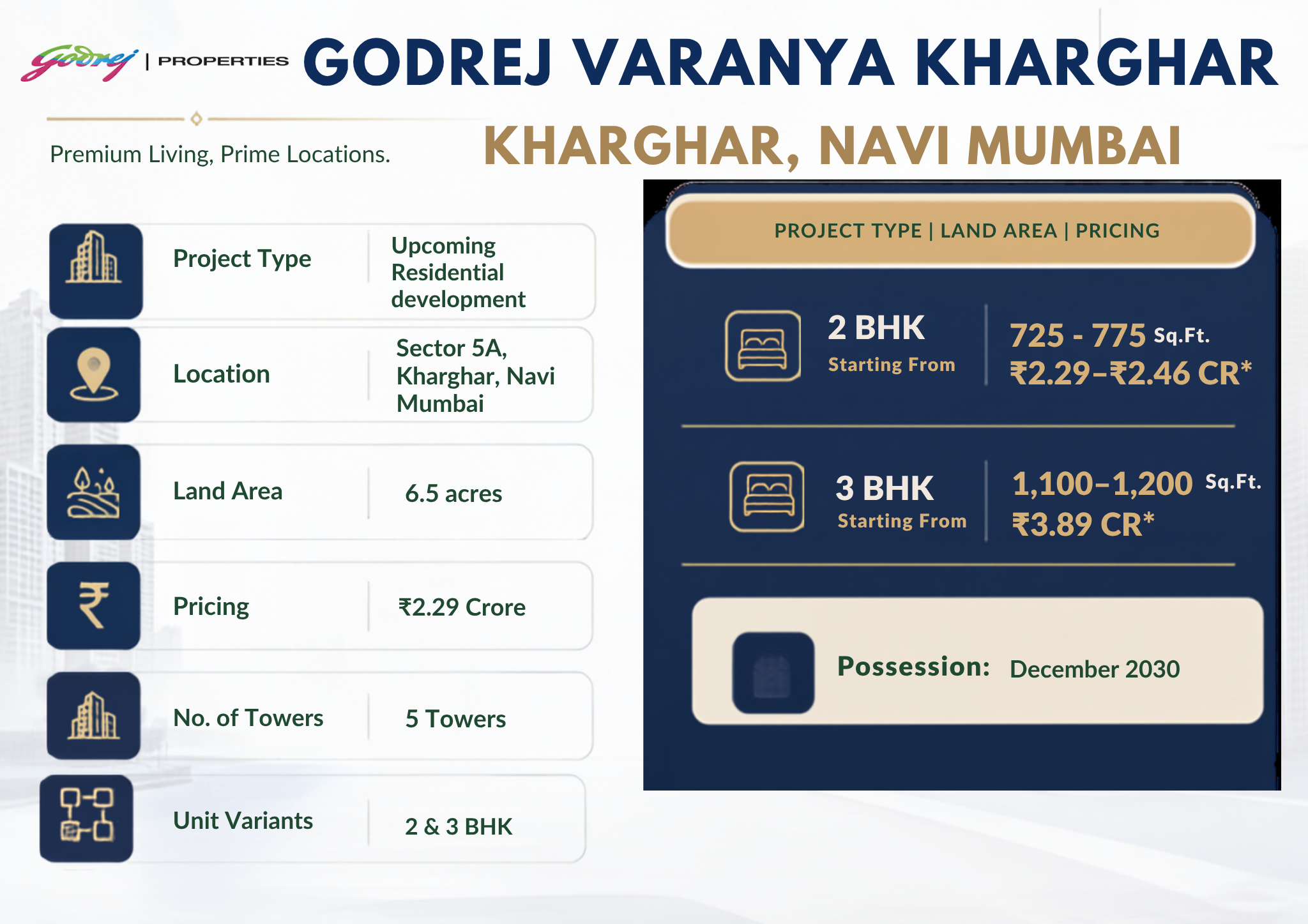
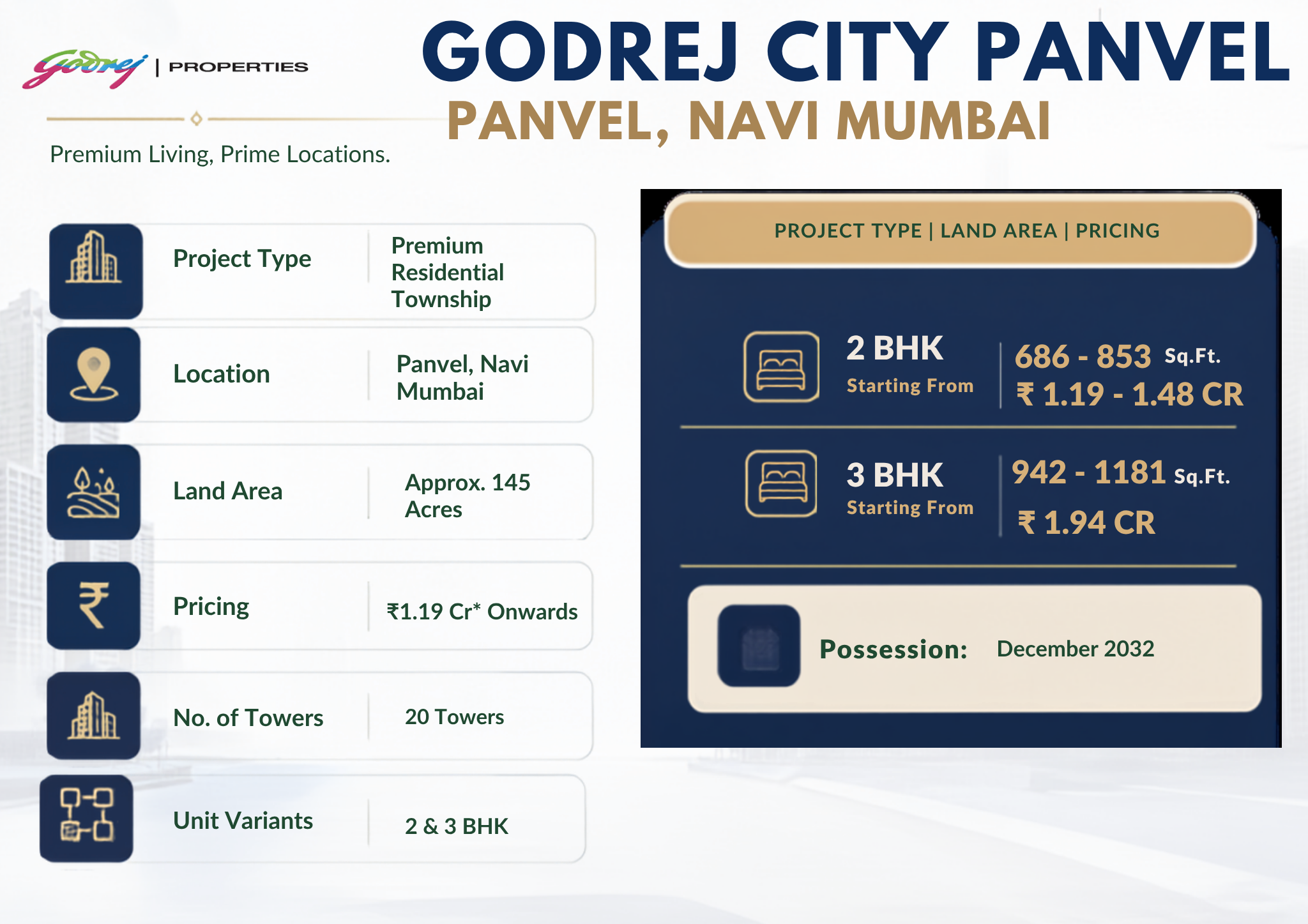
Many buyers we speak to in Kandivali East, Thane and Navi Mumbai are buying under-construction homes on a loan, so these rules decide their real cost. Godrej Properties Limited, a third-party developer with several projects across the region, has entry homes close to the Rs 1 crore mark. Godrej Bliss in Kandivali East starts near Rs 98 lakh, and possession is expected in 2029. A buyer there will pay pre-EMI interest for several years and can claim it only from 2029, and only under the old regime, so the regime choice in those years carries real weight. Our Godrej Bliss Kandivali reviews cover the timeline and pricing in detail.
For project background, see the developer’s site, Godrej Properties Limited. We at Godrej Properties MMR track loan offers and possession dates across these projects, so buyers can plan both the EMI and the tax side together.
Frequently Asked Questions
Q: Can I claim home loan interest under the new tax regime in 2026?
Only on a let-out property, where interest is deductible against rental income. You cannot claim interest on a self-occupied home, and you cannot claim principal or stamp duty under 80C. A loss from a let-out property cannot be set off against salary or carried forward under the new regime.
Q: What is the maximum home loan tax benefit under the old regime?
For one borrower on a self-occupied home, up to Rs 2 lakh of interest and Rs 1.5 lakh of principal a year, so Rs 3.5 lakh in total. The Rs 1.5 lakh is shared with EPF, PPF, insurance and other 80C items. Joint co-owner borrowers can each claim these limits.
Q: Did the Income-tax Act, 2025 change home loan deductions?
The new Act took effect on 1 April 2026 and renumbered the sections. Interest on a house loan now appears under sections 130 and 131, and the 80C group under section 123. Sources indicate the limits and conditions are substantially the same as before. Check your Form 16 for the new references.
Q: Can I still claim section 80EEA in 2026?
Only if your loan was sanctioned between 1 April 2019 and 31 March 2022, the home’s stamp duty value was Rs 45 lakh or less, and you were a first-time buyer. Sources differ on how long existing claims run, so confirm with your CA. No new loan qualifies.
Q: Is stamp duty deductible?
Yes, under the old regime only, within the Rs 1.5 lakh 80C cap and only in the year you pay it. In Mumbai, stamp duty of 6% on a Rs 1.2 crore flat is Rs 7.2 lakh, so only a small part is ever usable. It helps most in a year with little principal repayment.
Q: Which regime should a Mumbai home buyer choose in 2026?
Run both calculations. In our example, a salaried borrower needs about Rs 8 lakh of total deductions at Rs 25 lakh income, or about Rs 5.45 lakh at Rs 15 lakh, for the old regime to win. A home loan alone gives Rs 3.5 lakh, so HRA, NPS and insurance usually decide it.
Conclusion
Home loan tax benefits still exist in 2026, but they are smaller than most buyers assume and they work only under the old regime for a home you live in. For a single salaried buyer, the new regime usually wins. For couples with a joint loan, buyers paying HRA during construction, and those with large 80C and NPS claims, the old regime can still save tens of thousands a year. Run your own numbers before you sign the loan, not after.
If you are comparing projects and loan structures across Mumbai, Thane and Navi Mumbai, explore our listings at Godrej Properties MMR or book a site visit, and our team will walk you through the full cost of ownership.