Quick Answer
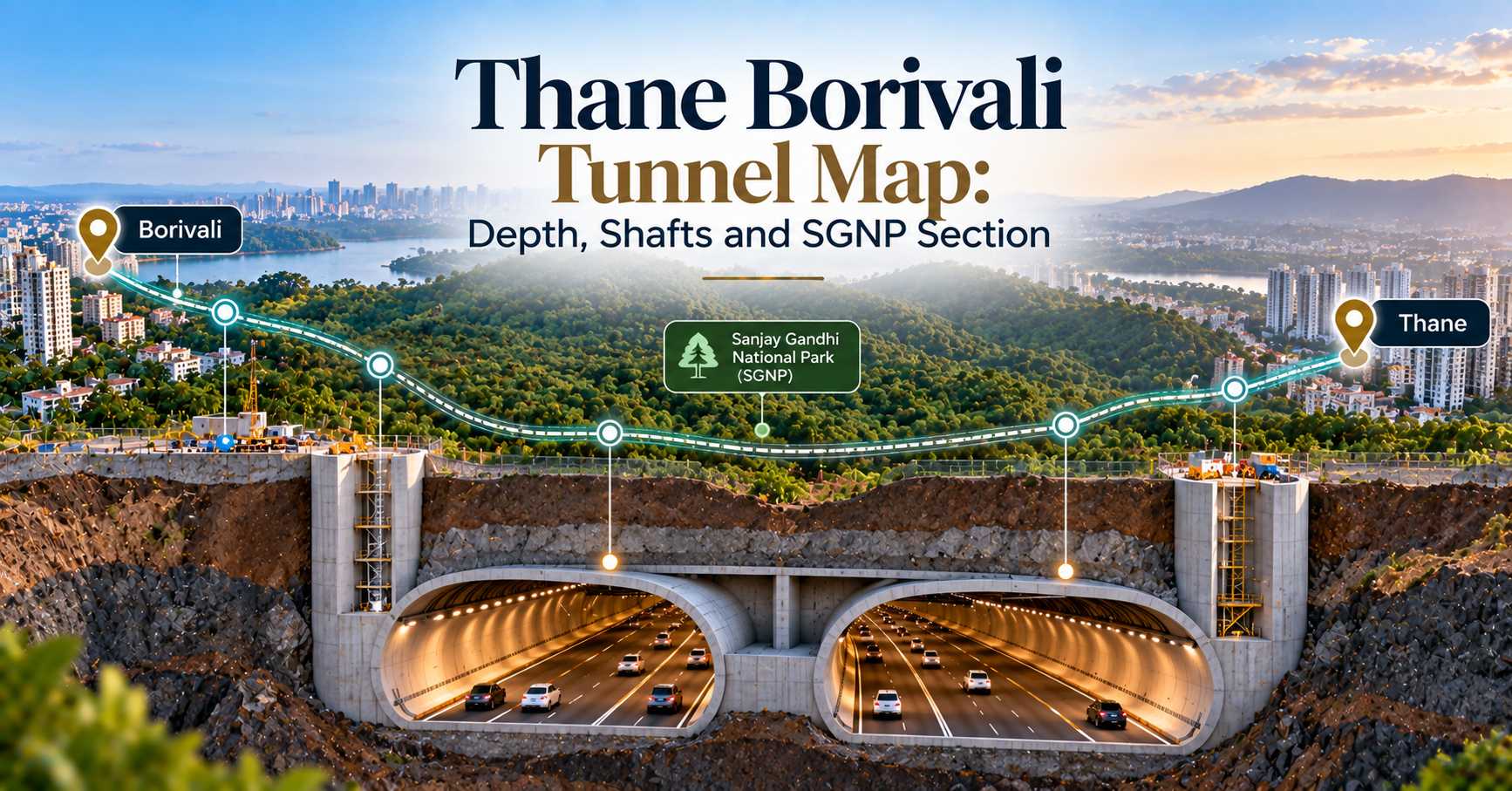
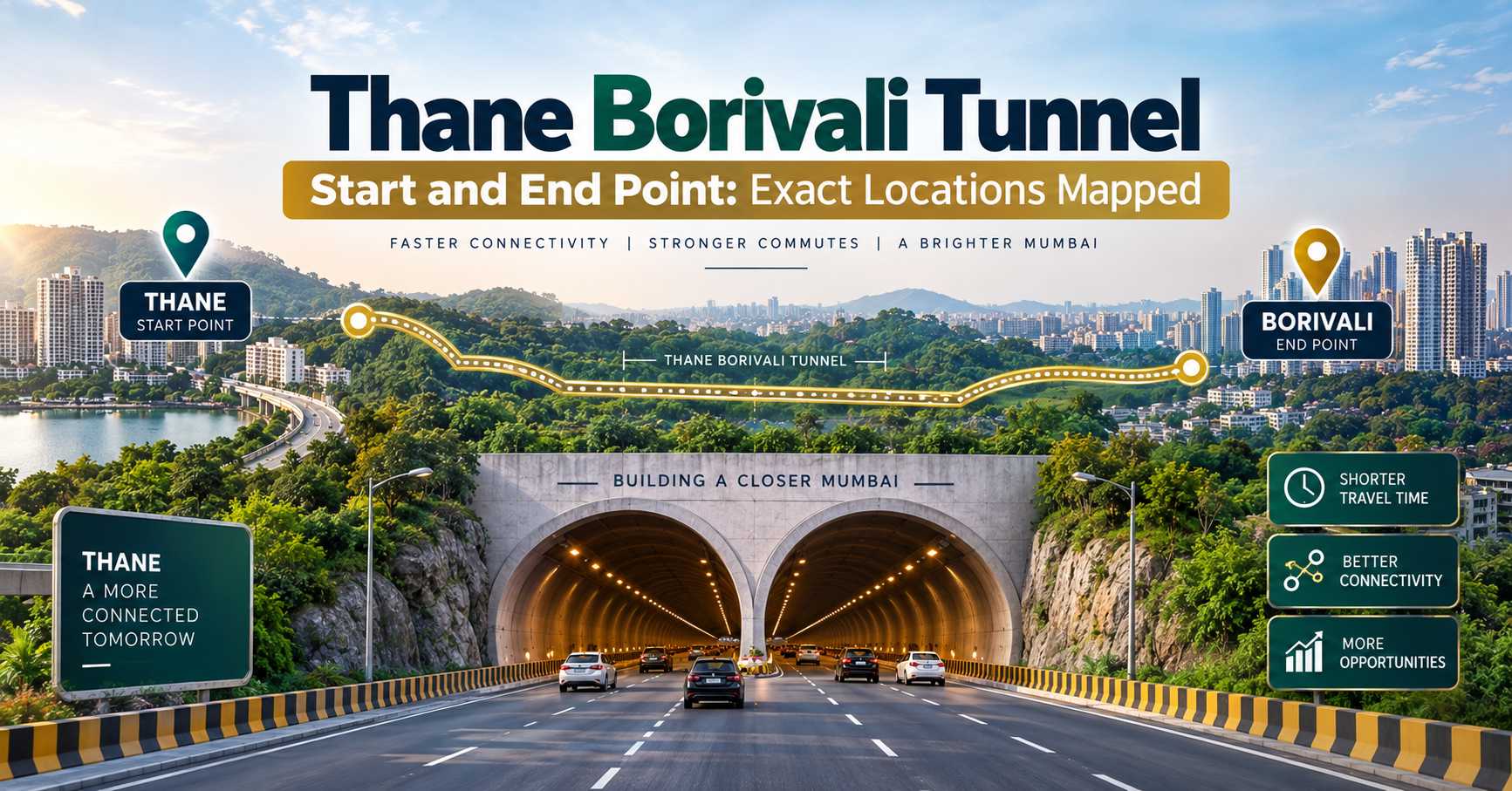
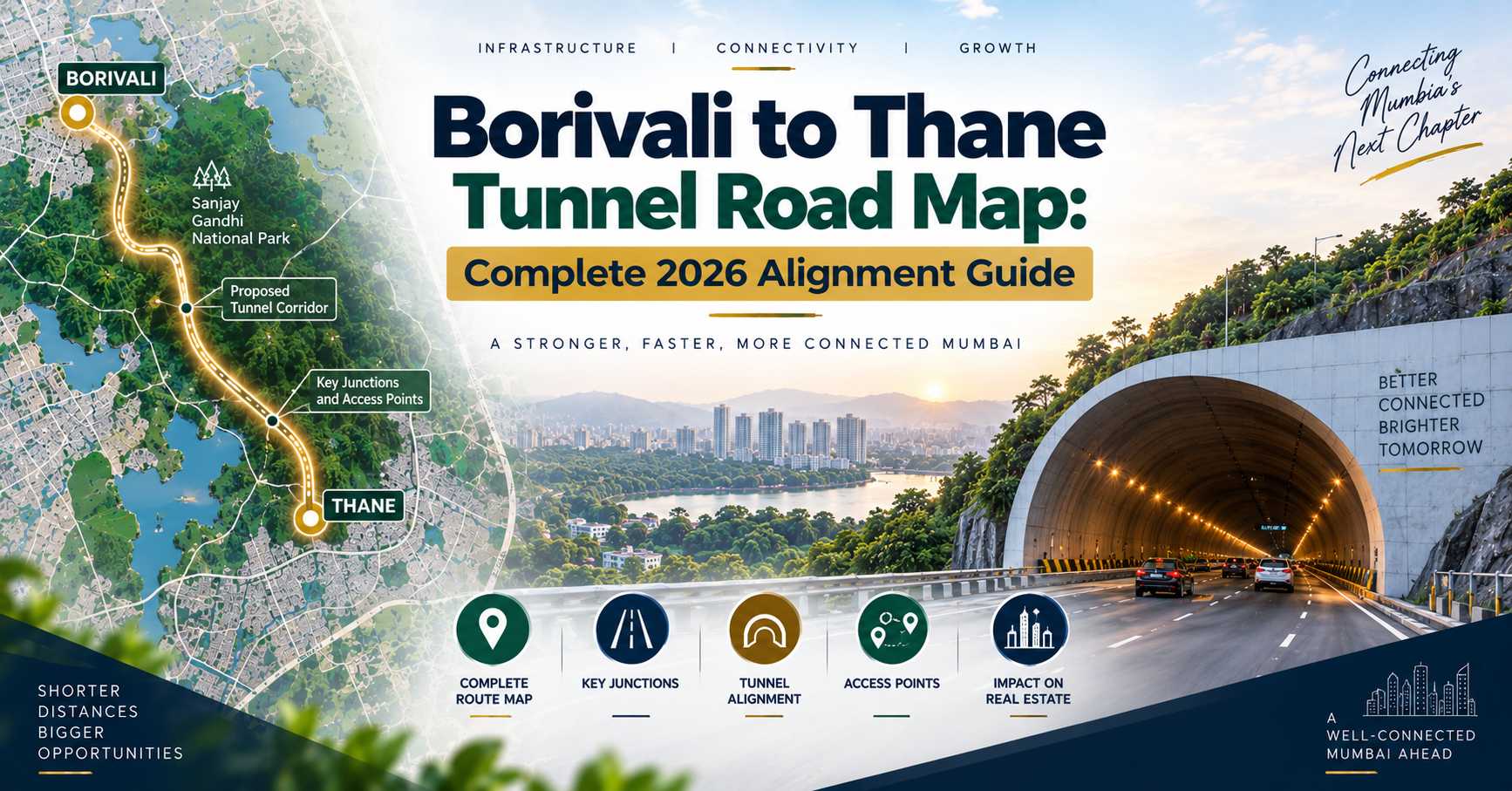
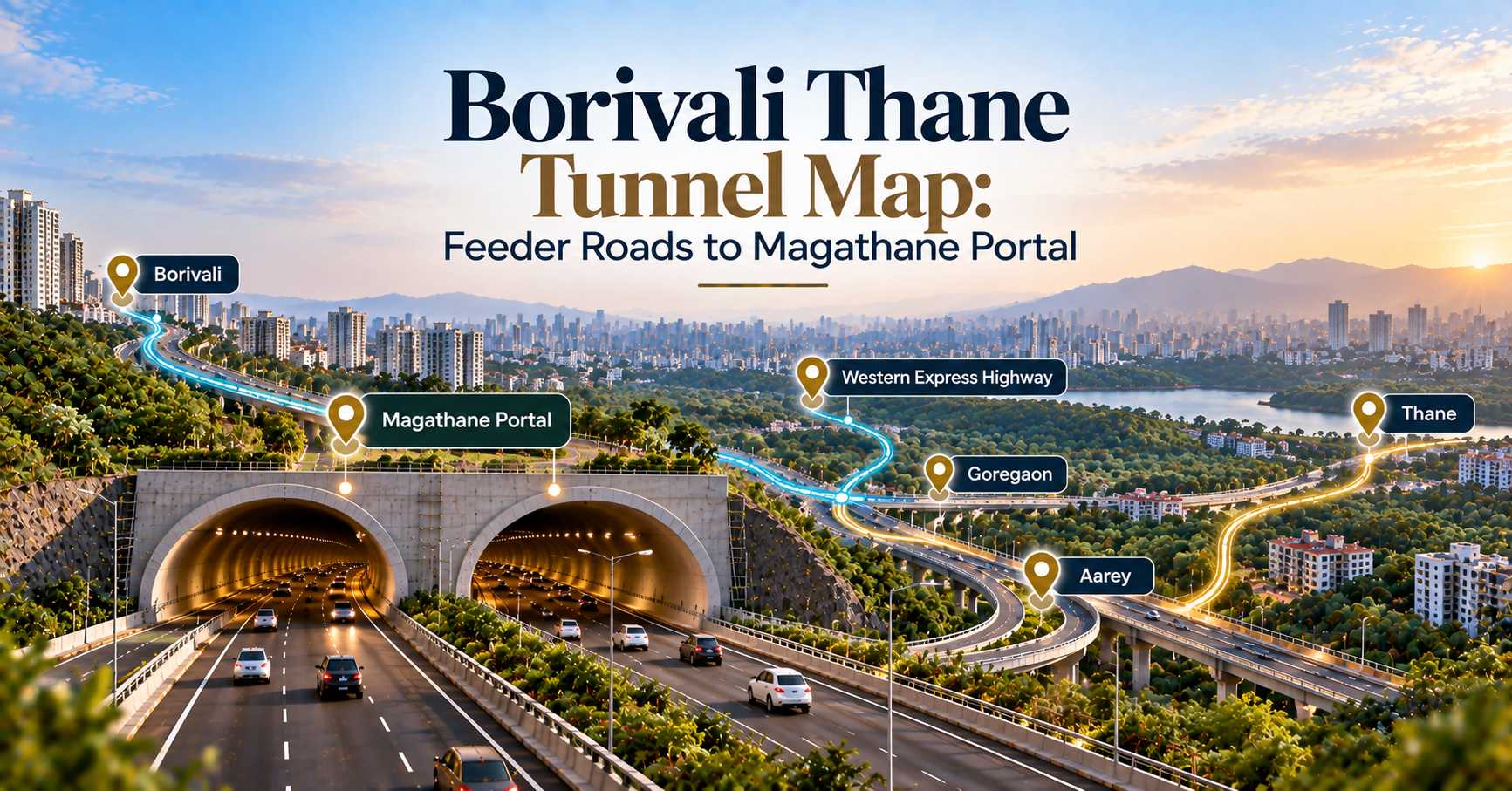
On the Borivali Thane tunnel map, the western portal sits at Ekta Nagar in Magathane, close to the Western Express Highway. The addresses that gain most are those that can reach the WEH at Magathane without crossing the suburb — principally Borivali East, Kandivali East and the Magathane-Devipada belt.
The eastern half of this corridor gets most of the attention because that is where the machines are. But for a buyer in the western suburbs, the useful question about the Borivali Thane tunnel map is entirely local: once the tunnel opens, how do you actually get into it?
A portal is not a destination you teleport to. It is a point on the Western Express Highway that you have to reach through existing suburban roads, and the quality of that last three kilometres is what converts a 15-minute tunnel crossing into a genuine 25-minute Thane commute or a frustrating 50-minute one. Our team analysed the western approach on that basis.
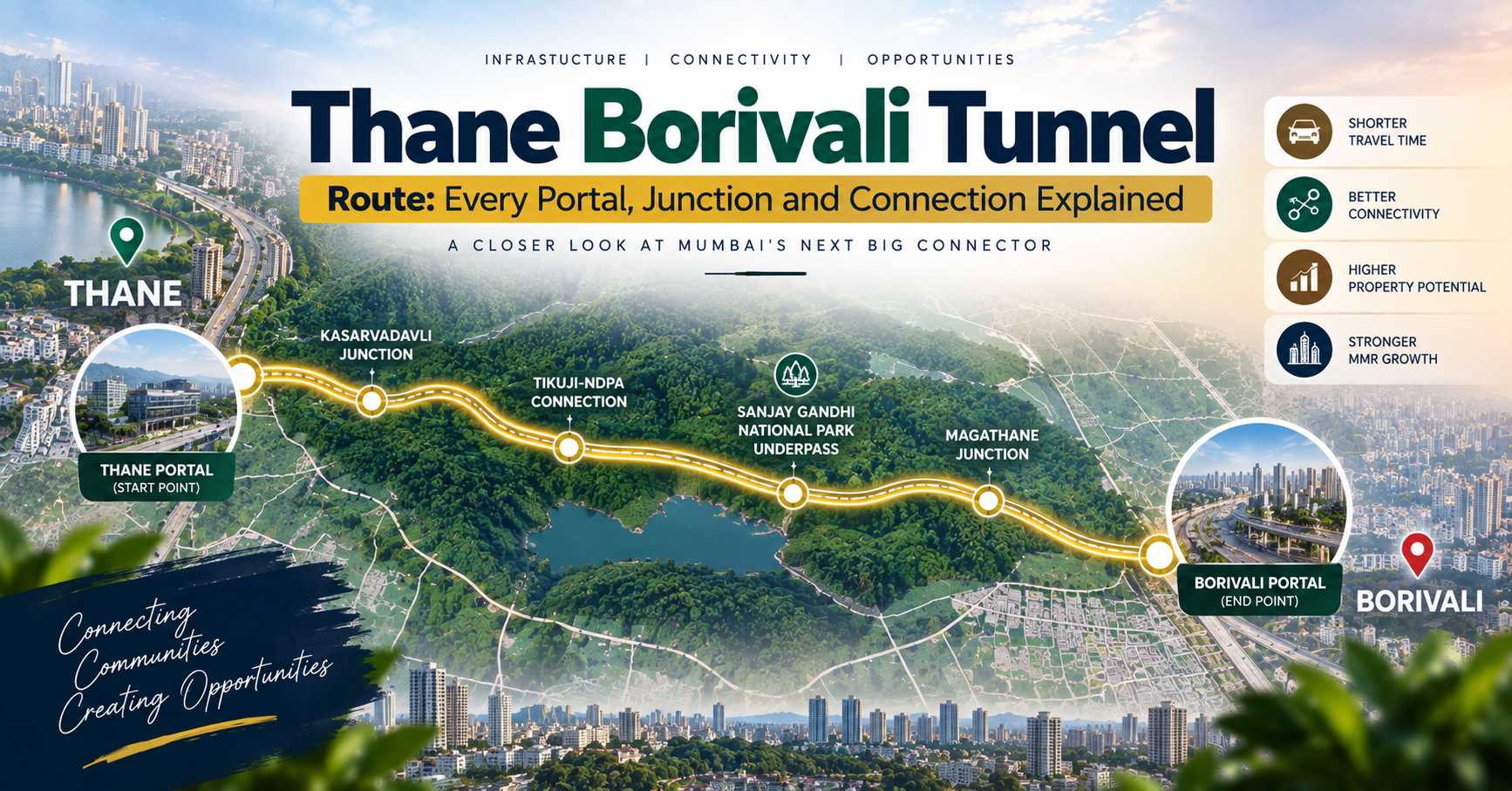
The alignment and the portal coordinates themselves are set out in our Borivali Thane tunnel map with entry and exit points. This piece covers what sits between your address and that point.
Borivali Thane Tunnel Map: The Western Approach
The portal is at Ekta Nagar, Magathane, in Borivali East, feeding onto the Western Express Highway. That single fact determines everything about who benefits on this side, because the WEH is the spine that the entire western approach depends on.
Magathane is a useful location for a portal for reasons beyond road access. It already functions as a transit node — the Mumbai Metro Line 7 corridor running along the Western Express Highway has a station here, which means the portal area is being built into a multi-modal junction rather than a standalone road mouth. That matters for the surrounding property market over a longer horizon than the tunnel alone.
Proximity to a portal is not measured in kilometres. It is measured in how many signals, junctions and suburban bottlenecks sit between you and the Western Express Highway at Magathane.
Which is why a flat two kilometres away across congested internal roads can be worse positioned than one four kilometres away with a clean WEH run. The distance that matters is time, and in the western suburbs time is a function of junctions rather than metres.
Which Western Localities Feed the Portal
The table below groups localities by how directly they reach the Magathane portal. The distance bands are our estimates from the existing road network, not published MMRDA figures, and every buyer should verify their own address on a map before relying on them.
| Locality | Indicative band to portal | Route quality | What it gains |
|---|---|---|---|
| Magathane, Devipada | Under 2 km | Direct | Maximum gain; also maximum construction disruption |
| Borivali East | Under 3 km | Direct via WEH | Strongest overall position on this side |
| Kandivali East | 3-5 km | Clean WEH run southbound | Strong gain with less portal-side disruption |
| Dahisar East | 3-6 km | WEH northbound approach | Good, subject to WEH congestion |
| Borivali West | 3-6 km | Must cross the rail line | Moderate; level crossing time dominates |
| Malad East | 6-9 km | Southbound WEH | Moderate; improves with WEH flow |
| Kandivali West | 5-8 km | Must cross the rail line | Limited compared with the East side |
| Goregaon and south | Over 10 km | Extended WEH run | Marginal on time saved |
Two patterns fall out of that table. First, east of the railway line beats west of it, consistently, because the rail crossing imposes a time cost that no highway improvement removes. Second, the benefit decays quickly southward — past Malad, a Thane trip via the tunnel starts competing with simply taking the JVLR and the eastern corridors.
The Disruption Trade at the Portal Itself
Buyers in Magathane and Devipada should weigh something the tables never show. A portal is not just an entrance; during construction it is a launch site, a segment yard, a muck-handling operation and a heavy-vehicle route.
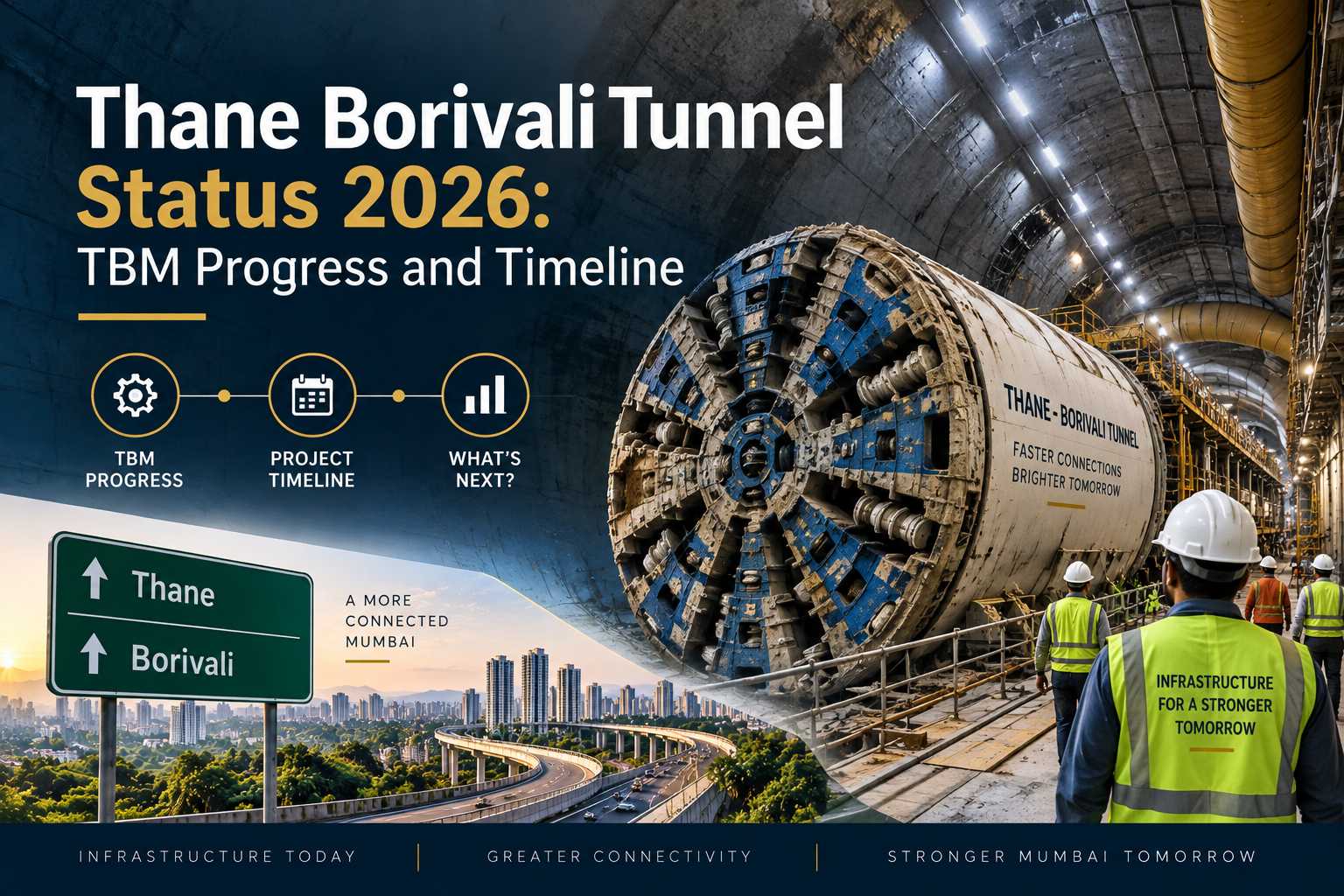
That work has not even started on this side yet. The Borivali launch site was occupied by roughly 300 project-affected families, most of whom have been rehoused in SRA and MHADA housing, with around 15 to 20 households still to shift. Once that parcel is handed over, two tunnel boring machines will be assembled and launched from it, and the surrounding streets will carry construction traffic for years. We cover that land question in detail in our read on the tunnel’s current status and what homebuyers should do now.
So the address with the best long-term position is also the one with the worst medium-term liveability. That is a real trade, not a technicality, and it should show up in the price you pay rather than being discovered after you move in.
Five Checks for a Western-Side Address
- Drive your own route to the Magathane WEH junction at peak hour before you buy. Count the signals. That number is your real distance to the tunnel.
- Establish whether you cross the railway line. If you do, discount whatever benefit the map appears to offer, because the crossing will dominate your journey time.
- Ask about approach-road widening plans at Magathane. The tunnel’s 15 to 20 minute projection assumes the approaches flow; widening is contracted separately from the tunnel itself.
- Check how close you are to the launch site specifically, not just the portal. Construction traffic follows the launch site for years before the tunnel opens.
- Compare your alternatives honestly. If your Thane trips are occasional rather than daily, the tunnel is a convenience rather than a reason to pay a premium.
Key takeaway
Kandivali East is the sweet spot on this side of the map: a clean Western Express Highway run to the portal, without sitting on top of a decade-long construction site.
What This Means for Godrej Inventory in the West
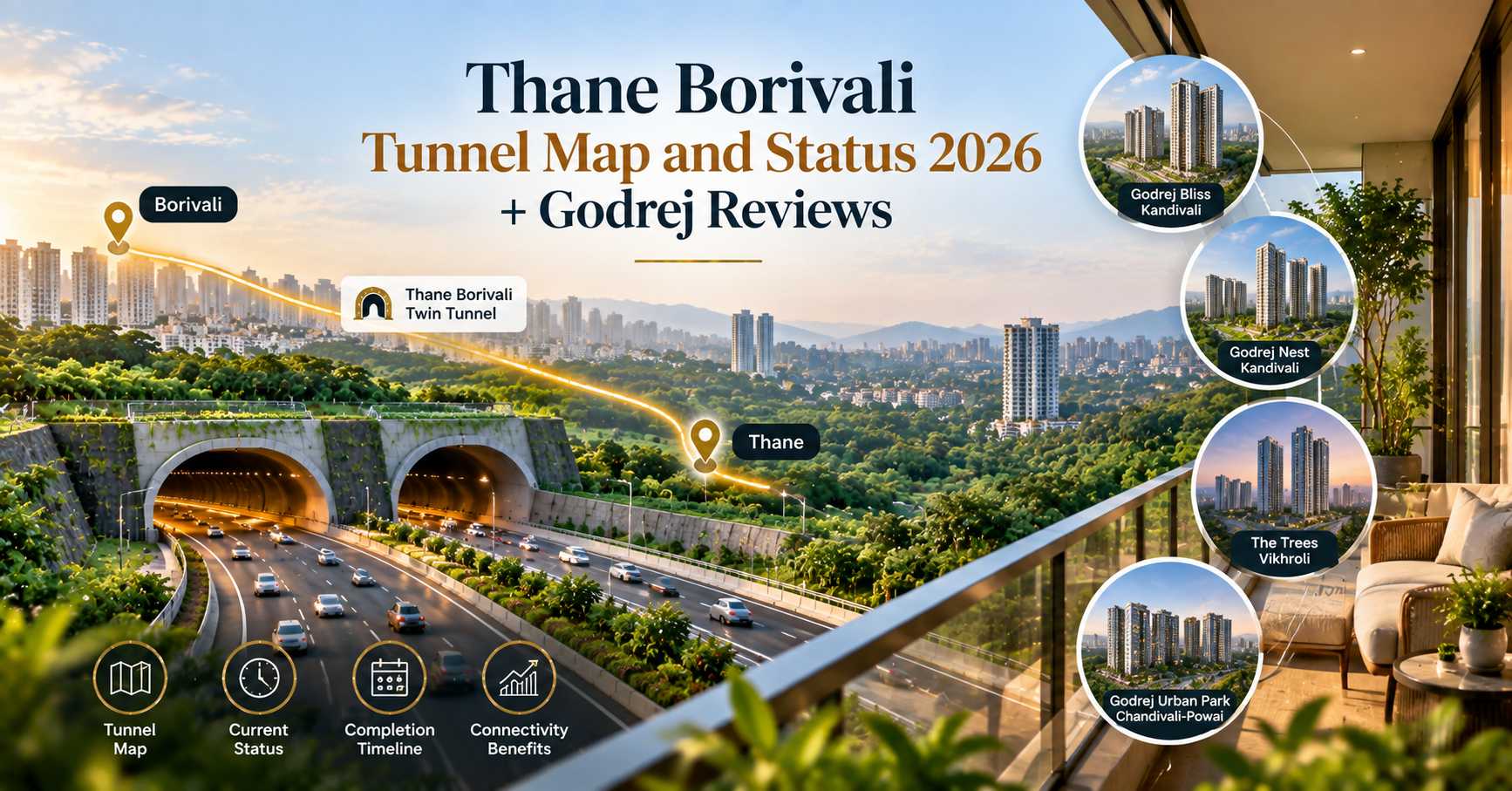
Godrej Properties Limited’s concentration in Kandivali East reads differently once you look at the map this way. Three projects — Bliss, Nest and Reserve — sit in the micro-market that combines portal access with distance from the portal works.
Godrej Nest offers ready homes from around Rs 1.21 crore, which is the position we generally prefer on a corridor where the infrastructure is years away — rent accrues while the tunnel is built. Godrej Bliss is the longer-dated option in the same postcode, and its rates moved from roughly Rs 26,100 to Rs 29,100 per sq ft across a single quarter in 2026, which tells you the market has already begun pricing this map. Godrej Reserve is the low-density premium option in the same catchment.
Our project-by-project read on which of the developer’s Mumbai schemes sit inside this catchment at all — and which are being sold on a connectivity story that does not apply to them — is in our tunnel map and status hub with Godrej reviews.
We at Godrej Properties MMR measure portal distance on the road network rather than in a straight line, because the difference between those two numbers is where most of the bad advice on this corridor originates. Project specifications and RERA filings are published by Godrej Properties Limited; the approach-route analysis above is ours.
Frequently Asked Questions
Q: Where is the Borivali end of the tunnel on the map?
At Ekta Nagar in Magathane, Borivali East, close to the Western Express Highway. The Thane end is at Tikuji-Ni-Wadi in Manpada. There are no intermediate entry or exit points across the roughly 10 km bored section between them.
Q: Which Borivali locality benefits most from the tunnel?
Borivali East and the Magathane-Devipada belt gain most on pure access, being within a few kilometres of the portal with a direct Western Express Highway connection. Kandivali East offers close to the same access with less exposure to portal construction.
Q: Does Borivali West benefit as much as Borivali East?
Less. Reaching the portal from the west side requires crossing the railway line, and that crossing typically dominates journey time regardless of the distance shown on a map. East of the rail line is the better position throughout this corridor.
Q: Is there a metro connection at the portal?
The Mumbai Metro Line 7 corridor along the Western Express Highway includes a station at Magathane, making the portal area a multi-modal node rather than a road entrance alone. That supports the micro-market over a longer horizon than the tunnel by itself.
Q: When will construction start at the Borivali end?
It has not started. The launch site at Magathane housed around 300 project-affected families; most have been rehoused in SRA and MHADA housing, with roughly 15 to 20 remaining. Tunnel boring machines can only be assembled once that site is handed over.
Q: Should I buy right next to the portal?
Only with the disruption priced in. The portal site will operate as a construction and muck-handling base for years before it becomes an entrance. The long-term access is excellent; the medium-term liveability is not, and the purchase price should reflect both.
Our Verdict
Read from the western side, the Borivali Thane tunnel map rewards a narrow band of addresses — those east of the railway line with a clean Western Express Highway run to Magathane. Everything else on this side of the city gains something, but the gain thins out quickly with each additional junction and each kilometre south.
Our practical position is unchanged: buy inside the catchment, stay far enough from the launch site to live comfortably through the build, and prefer inventory that is already complete. If you want us to drive your route and time it at peak hour before you commit, ask — it is the single most useful hour you can spend on this decision.